
Before accepting my role as Assistant Director of the California State University, Channel Islands Writing & Multiliteracy Center (WMC), I understood asynchronous tutoring as additional support for students to utilize when the incentive to attend a synchronous session was unavailable (either because of their schedules or other personal reasons). Writing centers in the past have offered asynchronous feedback through email exchanges and text-based comments left on student papers (Denton, 2017; Bell, 2011), yet what distinguished them from the synchronous sessions also provided was the inability for students to converse with tutors in a live setting. This was my understanding of…
Author: Cristal Gamez
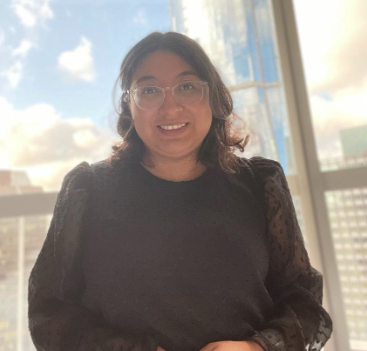
Cristal Gamez
Cristal Gamez has an M.A. in English - Rhetoric and Composition & Literature from California State Polytechnic University, Pomona. She has been an Assistant Director & Lecturer of the Writing & Multiliteracy Center (WMC) since August 2022. In her current role, she coordinates all of the WMC’s writing and multiliteracy workshops and oversees the training of all tutors. During her off time, she enjoys exploring new coffee shops and hanging out with her cats, Eevee & Link.