This class really opened my eyes to the ways in which identity translates through different genres. . . . Our discussions got me thinking about some very nuanced topics and how they relate to my identity as a writer
Anonymous student [from semester-end reflection]
In my Writing and Editing in Print and Online (WEPO) class, an upper-level course within the Editing, Writing, and Media (EWM) major at Florida State University, reflections like this have become increasingly familiar, as the course considers identity and genre throughout the semester. Students bring widely varying linguistic contexts and cultural backgrounds to the classroom, and in an effort to build community and draw attention to the human aspects of writing, I begin with reading and reflective writing informed by traditions of linguistic justice and critical language awareness (Barrett et al., 2023; CCCC, 1974, 2020), which helps students examine their identities and language practices as writers, even as we move into multimodal composing.
The goals of WEPO and the EWM track as a whole are ultimately rooted in composing across genres and media for public audiences, as students create multimodal work across print, screen, and networked contexts. With these objectives, some students have asked, why start with questions of identity and language awareness rather than jumping directly to multimodal composing? I often respond that I want to give students a reflective space that allows them to locate their voices as writers, which will often shape their agency in composing multimodal work. Shipka’s (2016) work on transmodality supports this connection between language and multimodality, showing why attending to the writer and their human experience first can change students’ engagement with multimodal work later.
I begin my course with a literacy narrative assignment to build critical language awareness and promote rhetorical agency by empowering students “to use language for a variety of academic, professional, civic, and personal purposes,” depending on their own voice and context (Shapiro, 2022). While this assignment is not multimodal, it allows students to write about their linguistic histories by considering the people, communities, and literacy experiences that most shaped their reading, writing, and speaking in their home languages and dialects. Sharing these experiences often leads to critical discussions about how language is tied to power and identity and how students’ voices have been affirmed or contested across contexts. We read Anzaldúa’s (1987) “How to Tame a Wild Tongue” before students even begin writing, and this becomes a sort of touchstone for the rest of the semester, when students point to language choice as something to be negotiated and considered as a step of composing, whether in print or multimodal spaces. Beginning with this language work clarifies that students’ voices and identities can matter, and helps students more intentionally move into multimodal meaning-making.
Literacy Narrative 1:
Literacy Narrative 2:
From here, the course moves into three major multimodal projects that give students significant choice in topic, which becomes one of the main ways that agency, voice, and identity take shape in the course. The magazine article is the first multimodal project, allowing students to profile a person, community, issue, or key term while purposefully designing for print. Because students choose their own topics and translate the research they complete into a public-facing genre, I ask them to make intentional writing and design choices while considering representation and what matters to a chosen audience beyond the classroom.
Magazine Article 1:
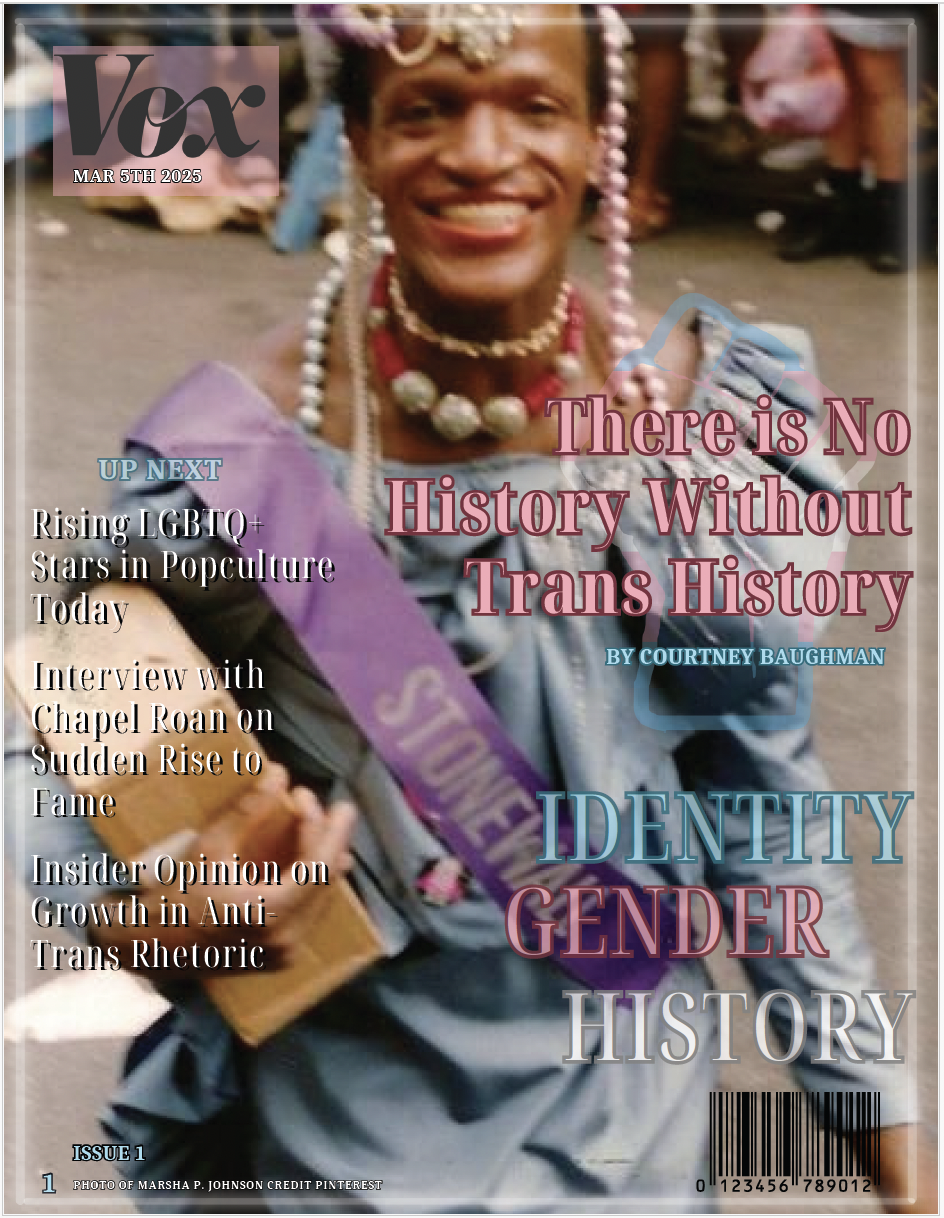
Magazine Article 2:
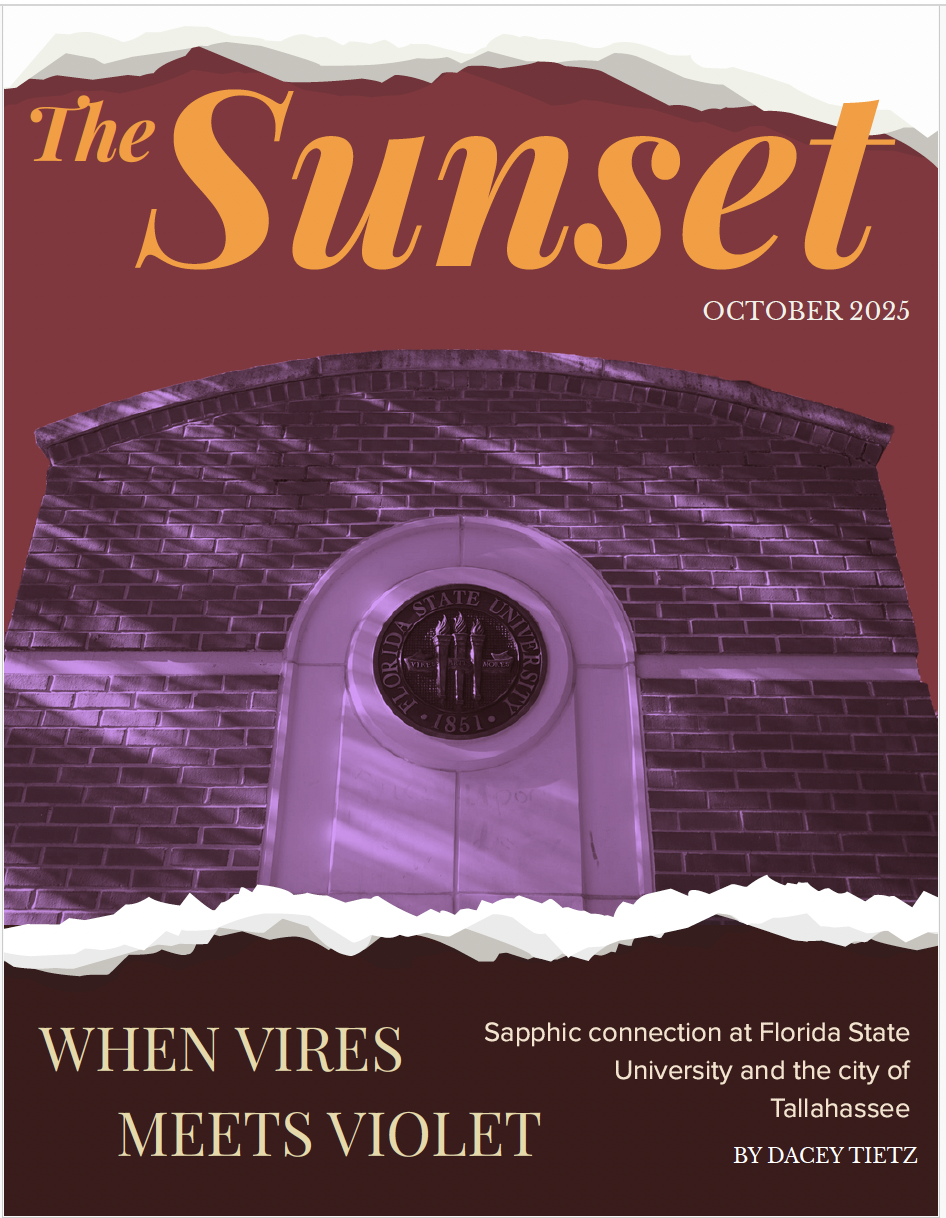
Magazine Article 3:

The next project invites students to curate artifacts for a Museum Artifact Archive for FSU’s Museum of Everyday Writing (Yancey, 2020). This asks them to examine writing as a social and cultural practice and helps students see everyday forms of writing as embedded in lived communities and networks of circulation, rather than as isolated text. In turn, students begin to think about how identity and social context can relate to the meanings their artifacts carry for various communities and groups.
Museum Archive 1:
Museum Archive 2:
Finally, we finish the course with the ePortfolio, which draws on Yancey’s (2023) portfolio legacy that gives students space to represent themselves as writers for real audiences and professional goals. As I ask students to “collect, select, and reflect” on their work from the course and beyond, they make intentional choices about how to present their experiences, identity, and values to future audiences (Craig, 2016).
Across these projects, I’ve noticed most how the early language and identity work shows up later, often through students’ willingness to take up community-based, socially consequential topics. For example, drawing on Lyiscott (2014), one student began with a creative form narrative that explores her linguistic identity through the metaphor of a mosaic; she later developed her magazine and museum archive work around the history of the Mexican-American Student Association at FSU. Another student traced community influence in their literacy narrative and chose to profile the sapphic community at FSU for their magazine. Others have taken up topics such as transgender history, identities across campus and platforms, and more that return to considerations of voice, representation, and belonging first explored in their literacy narratives. In reflections and feedback, students often point to the emphasis of language rights and their literacy narratives as a starting point that they carry into their later multimodal work, allowing them to engage more intentionally.
For other instructors considering multimodal work in their own courses, this linguistically informed approach can be a strong starting point, helping students reflect on composing practices while emphasizing the importance of investment in more socially and culturally aware topics regardless of genre or form. In the end, centering student voice and experience in the classroom is worth it, as it can change not just how students make meaning, but also how they see themselves as composers.
These student samples and other work from the course will be included with FSU’s 17th Digital Symposium, to be published on April 8, 2026. Student permission was obtained for all uses of their work.
Works Cited
Anzaldúa, G. (1987). How to tame a wild tongue. In Borderlands/La frontera: The new mestiza. (pp.53–64). Aunt Lute Books.
Barrett, R., Cramer, J., & McGowan, K. B. (2023). English with an accent: Language, ideology, and discrimination in the United States. (3rd ed.). Routledge.
Conference on College Composition and Communication (CCCC). (1974). Students’ right to their own language. College English, 36(6), 709–726. https://doi.org/10.2307/374965
Conference on College Composition and Communication (CCCC Special Committee on Composing a CCCC Statement on Anti-Black Racism and Black Linguistic Justice). (2020). This ain’t another statement! This is a demand for Black linguistic justice! https://cccc.ncte.org/cccc/demand-for-black-linguistic-justice/
Craig, J. (2016). Praxis Wiki: Collect, Select, Reflect. https://praxis.technorhetoric.net/tiki-index.php?page=PraxisWiki%3A_%3ACollect%2C%2BSelect%2C%2BReflect#Collect_Select_Reflect\:_Assigning_Research_Eportfolios_to_Encourage_Student_Inquiry
Lyiscott, J. (2014). 3 Ways to Speak English [Video]. TED Salon. https://www.ted.com/talks/jamila_lyiscott_3_ways_to_speak_english?language=en
Shapiro, S. (2022). Cultivating Critical Language Awareness in the Writing Classroom. (1st ed.). Routledge. https://doi.org/10.4324/9781003171751
Shipka, J. (2016). Transmodality In/And Processes Of Making: Changing Dispositions And Practice. College English, 78(3), 250–257.
Yancey, K. B. (2020). The Museum of Everyday Writing: Exhibits of Everyday Writing Articulating the Past, Representing the Present, and Anticipating the Future. South Atlantic Review, 85(2), 146–166.
Yancey, K. B. (2023). The value of purposeful design: A case study of an ePortfolio reflective prompt. [Special issue on ePortfolios Across the Disciplines] Across the Disciplines, 20(3/4), 31-49, https://doi.org/10.37514/ATD-J.2023.20.3-4.03