
The Sweetland Digital Rhetoric Collaborative (DRC) Graduate Fellows program aims to recognize graduate students currently working in digital rhetoric who want practical experience in online publishing and website development. Fellows are selected on a yearly basis by the directors and board of the DRC, and receive an annual award of $1000 as well as recognition on the DRC website.
DRC Fellows attend monthly online team meetings to plan projects that extend the DRC website and its contributions to the community of computers and writing. In collaboration with DRC colleagues, DRC Fellows will have the opportunity to contribute to two DRC projects during the year. Typical projects include: coordinating a blog carnival, developing the DRC wiki, enhancing the resources section of the website, or taking part in editorial work associated with DRC publishing.
The annual application is open during June-July of each year. Applicants are notified in mid-August about their Fellowship status. For more information about the fellowship, please contact digitalrhetoriccollaborative@umich.edu.
To learn more about past DRC Fellows, go to this page.
2026-2027 DRC Graduate Fellows
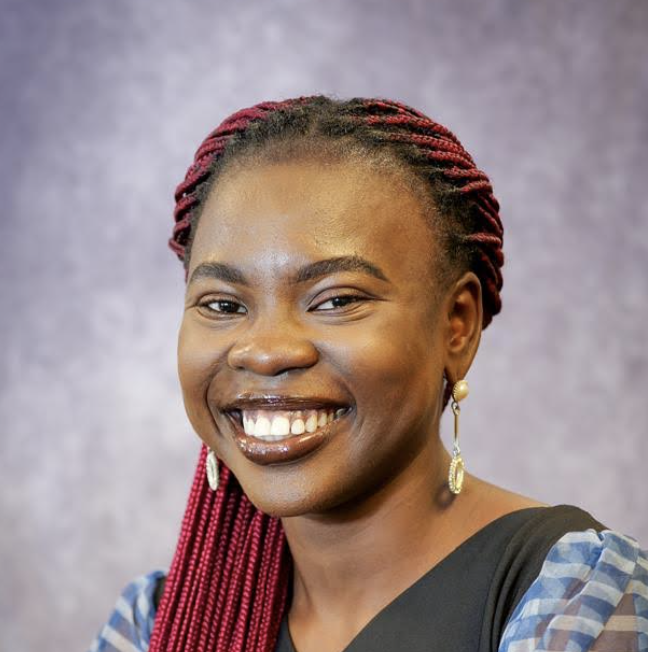
Funmilola Fadairo is a PhD student in the Language, Writing, and Rhetoric track within the English Department at the University of Maryland. Her research explores how technological and multimodal forms depict African sensibilities across time.
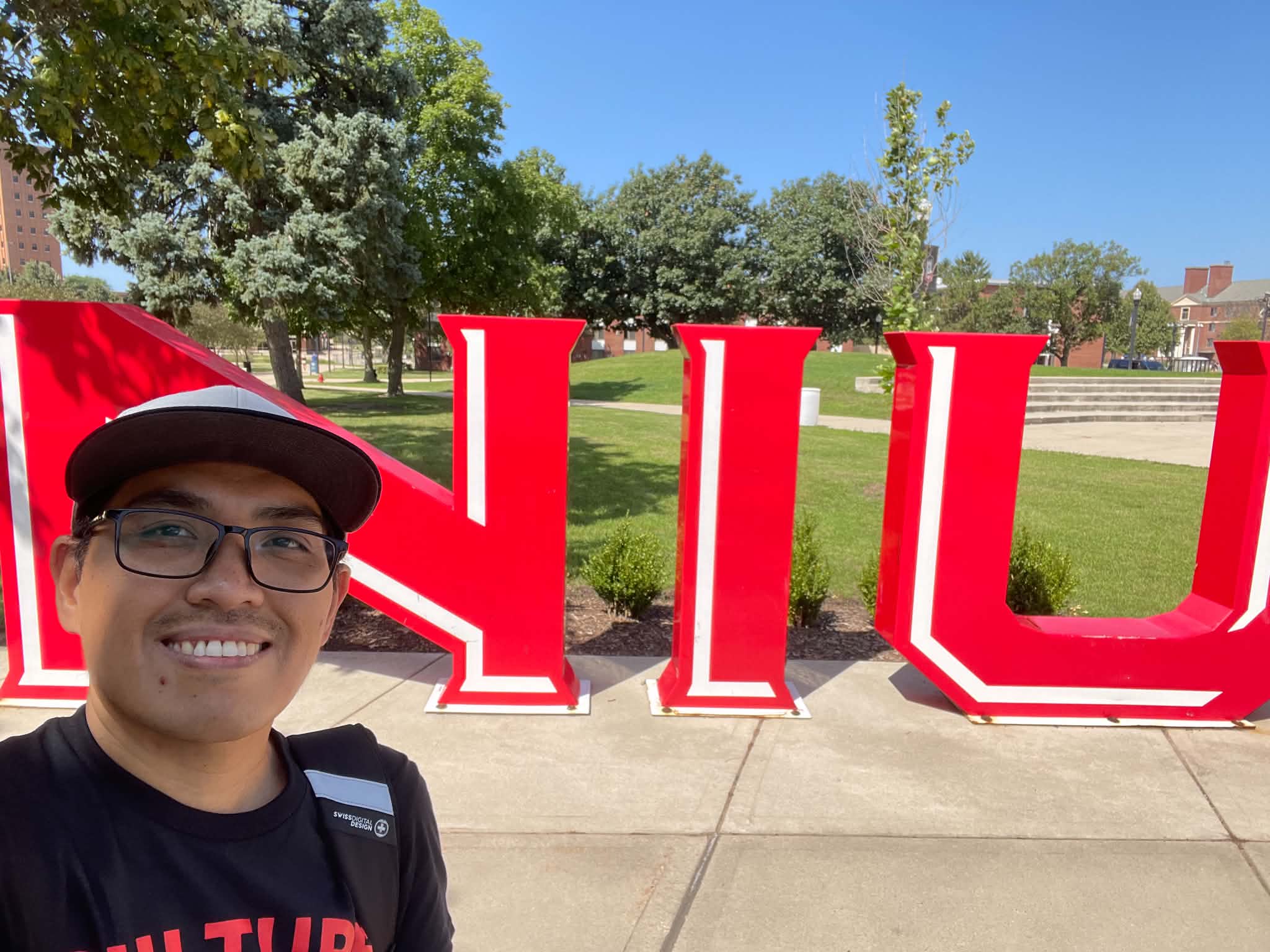
John Paul Obillos Dela Rosa is a PhD Candidate in Rhetoric and Writing Studies at Northern Illinois University (NIU). His research investigates how information spreads within multimodal ecologies, specifically on platforms like TikTok. His broader research interests include topics on digital rhetoric, Critical Discourse Analysis (CDA), World Englishes, English Language Teaching (ELT), and Postcolonial Theories. In 2019, he participated in the Fulbright Foreign Language Teaching Assistant (FLTA) Program where he taught Tagalog as a world language at NIU.
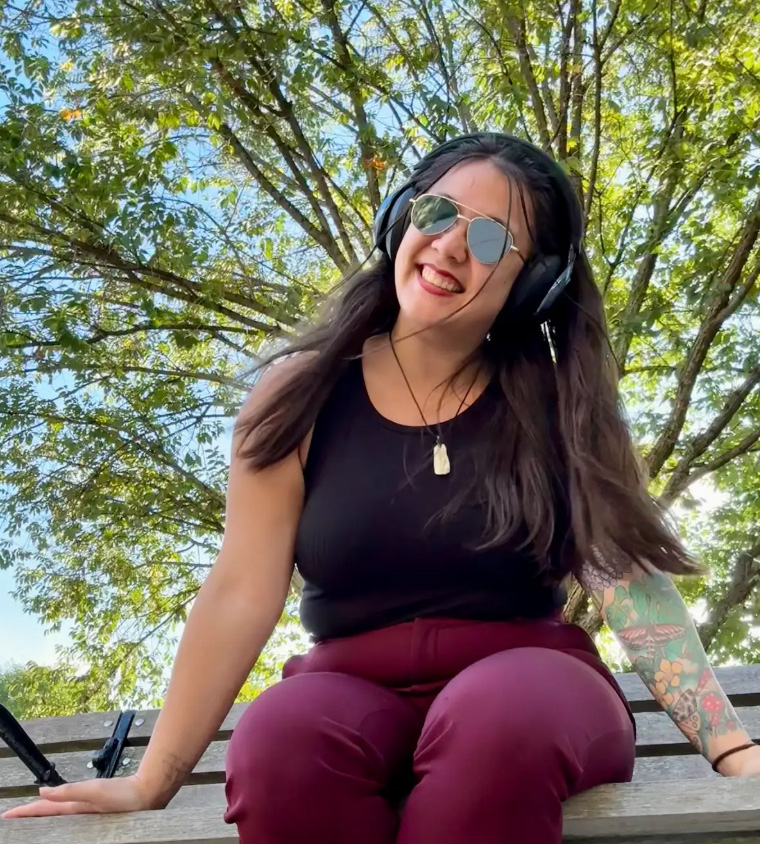
Megan (Meg) Palmer is a PhD student in the English department at Northeastern University. Their research interests include sonic rhetorics, digital humanities, and the first-year writing experience. Meg is an avid reader and can often be found singing in their barbershop quartets, Past Curfew and The Kings.

Gideon Kwawukumey is a broadcast journalist and doctoral candidate of Rhetoric, Writing, and Technical Communication at Virginia Tech. His research examines transnational environmental technical communication, sonic technical communication, multimodal rhetoric, linguistic justice in Technical Communication. Gideon has received multiple honors including 2026 ATTW Amplification Award, CCCC Scholars for the Dream Award, and RSA Gerard Hauser Award.
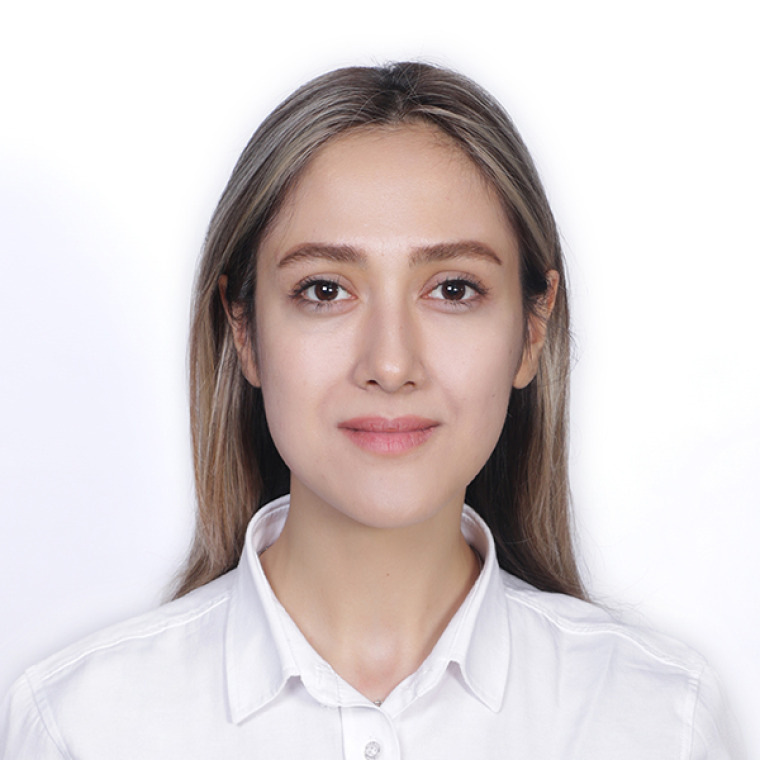
Maryam Vaezi is a PhD candidate in Rhetoric, Composition, and the Teaching of English (RCTE) at the University of Arizona. She serves as a graduate teaching instructor in the university’s Writing Program, where she teaches first-year composition and Business and Technical Writing courses. She is an Associate Editor for the Research in Online Literacy Education journal and serves as an Executive At-Large Board Member for the Global Society of Online Literacy Educators. Previously, she was the Julie Christakis DeFazio Writing Pedagogy Research Fellow, where she investigated how Writing Program faculty understand and engage with generative AI. She has also received research awards from University of Arizona, the Global Society of Online Literacy Educators (GSOLE), and the Association for Writing Across the Curriculum (AWAC). Her research interests include educational technology, writing teacher education, technical communication, culturally responsive pedagogy, and generative AI in writing instruction. She has contributed to these fields through scholarly publications, conference presentations, and editorial and professional service.
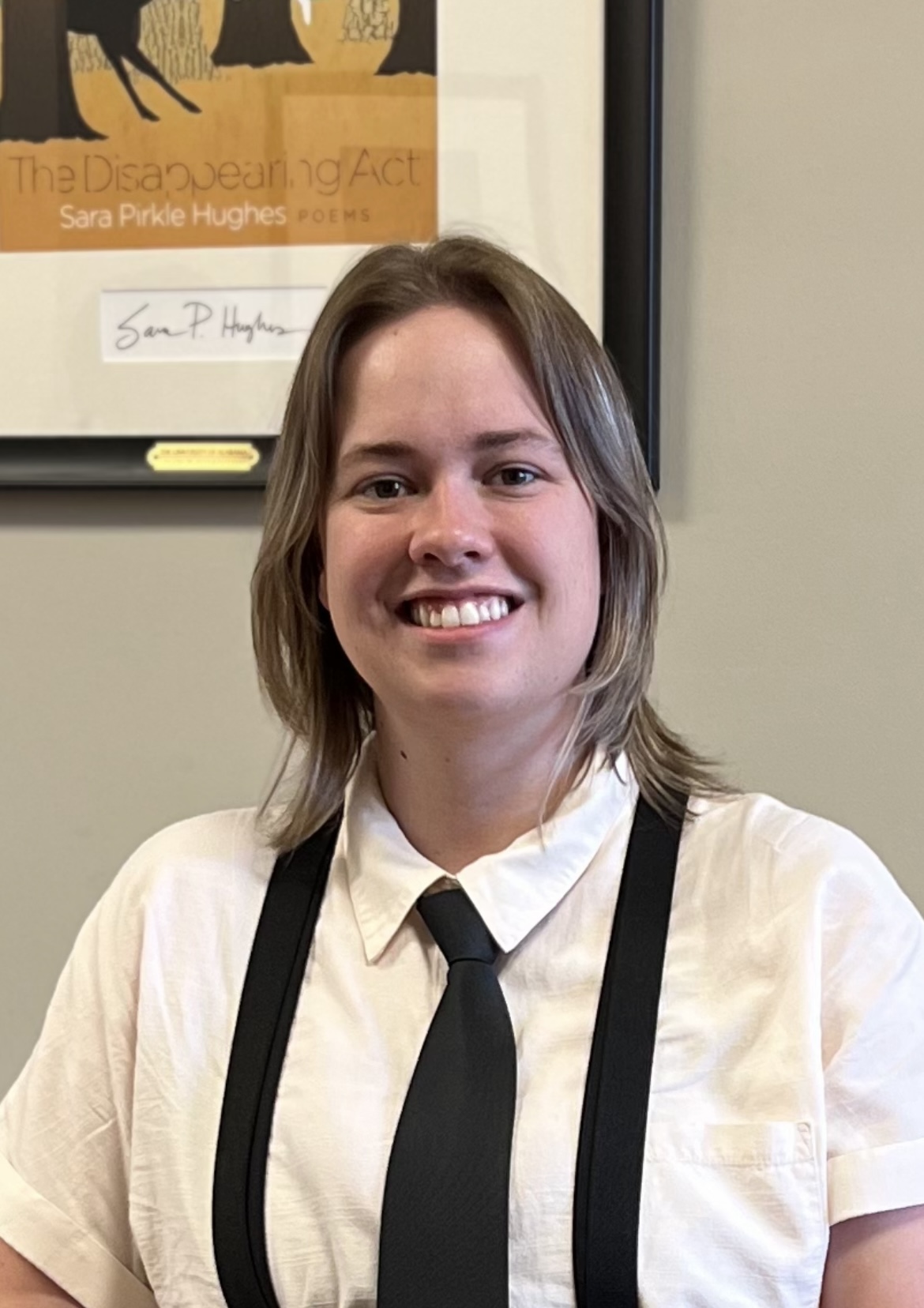
Macy Reeves is a PhD student in Composition, Rhetoric, and English Studies at the University of Alabama. Her research interests include writing program administration, digital literacy, and digital rhetoric.