The audio you have just listened to (see above) is only a short excerpt from a collaborative podcast created by a group of students in an upper-level Writing Across Media course at The University of Alabama. In this context, we define collaborative podcasting as a process in which more than two students co-plan and co-create an audio composition in which they engage in meaningful conversation on a topic of mutual interest intended for a real audience. For this collaborative effort to serve social justice, we argue that it should invite students to draw on their own lived experiences and share their perspectives on important issues affecting their lives. More importantly, students should compose their podcasts with a clear audience in mind and be given meaningful opportunities to engage with a real audience, even if that audience exists within the classroom. In this Hack and Yack, we first examine the affordances of collaborative podcasting for fostering social justice, and then we propose a pedagogical approach for integrating it into composition classrooms. We conclude by addressing challenges, limitations, and its applicability across contexts.
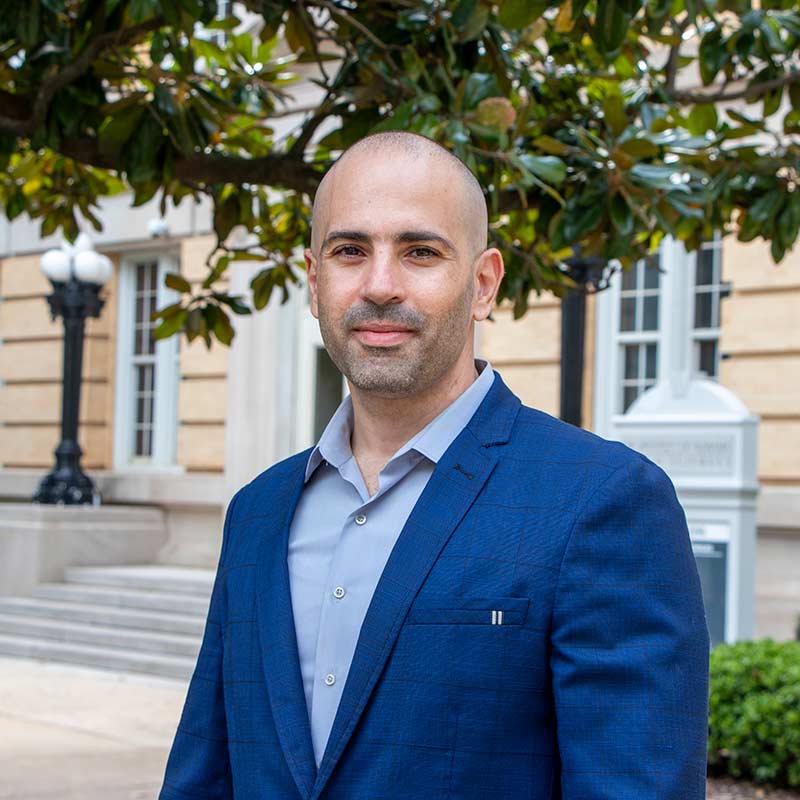
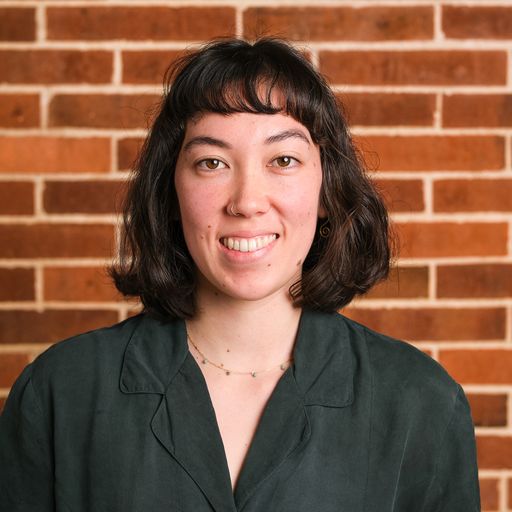
Before we dig into podcasting further, we wanted to briefly introduce ourselves and our relationships to podcasting. I’m Ali, a PhD candidate at The University of Alabama, where I teach first-year writing, writing across media, and technical writing. Although I am a longtime NPR listener and have experience in audio and digital storytelling, I honed my technical skills of podcast production as a sponsored participant in Podcasting for Humanities: Storytelling for a Modern Audience, a program offered by the National Humanities Center. Combining my pedagogical expertise with my technical knowledge, I incorporated podcasting into my classroom, where I have seen it foster meaningful engagement with social justice. And, I’m Nicole, a PhD candidate at Michigan State University, where I work in the writing center as well as teach writing, research, and user experience. Personally, I love podcasts. I listen to podcasts on a daily basis, usually starting my day with Democracy Now! and ending with Stuff You Should Know, but I developed my podcasting skills with the co-creation of a podcast for my Master’s program newsletter. As an academic, I have observed that podcasting offers students unique and concrete ways to reflect on multimodal writing and justice. And, I have always enjoyed giving feedback on open-ended multimodal projects in which students have pursued podcasts. As we will discuss in more detail, we both deeply value podcasting but emphasize the importance of having that student work be likewise collaborative and justice-oriented.
From the New London Group’s calls for increased engagement with “the burgeoning variety of text forms associated with information and multimedia technologies” (1996, p. 61) to Yancey’s 2004 CCCC chair keynote noting the “tremors” of an expanded writing public, the twenty-first century has seen writing and, in turn, writing classrooms become increasingly more multimodal. The value of enriching writing curriculum with multimodal literacies is increasingly important in the current moment that higher education finds itself: with data centers disrupting and harming communities, harmful actions against immigrants and people of color, and institutional limitations on what can be studied and supported. To combat these injustices, composition classrooms need to support the development of students as multimodal storytellers–adaptive and reflective writers who can communicate effectively across contexts. In this Hack & Yack, we will consider how teaching collaborative podcasting in a composition classroom affords students the opportunity to engage with multimodal argumentation in individualized and meaningful ways.
As a genre, podcasting possesses affordances that can foster social justice, especially when it is deliberately designed to engage students in addressing social issues and advocating for change. Miller (1984) long ago established the notion that genres can function as forms of “social action” when they are used to accomplish particular rhetorical purposes rather than merely serving as containers of content or forms of discourse. Similarly, Cushman (1996) emphasized the role of the rhetorician as an agent of social change. A pedagogy centered on podcasting can bring both of these perspectives into practice. Burns et al. (2018), for instance, incorporate a hip-hop–based pedagogy to foster racial justice, describing it as a “pedagogy of liberation.” In this approach, they encourage students to engage in social critique through the analysis of hip-hop music and then respond through podcasting and (sound)writing. Choong and Bjork (2023), on the other hand, highlight the pedagogical potential of podcasting for engaging students in social activism beyond mere critique, arguing that “narrative nonfiction podcasting can, if carefully designed, lay the groundwork for positive social change” (p. 553). Evidently, podcasting holds considerable potential as a form of socially engaged rhetorical practice that links critique, storytelling, and civic action.
In our Hack and Yack, we aim to shift focus from the individual podcaster and from podcasts as containers of socially significant content to the collaborative and social dimensions that make podcasting particularly powerful for fostering social justice and change in the classroom and beyond. Through our own podcasting and teaching experiences, we have observed firsthand how collaborative podcasting facilitates the shared negotiation and construction of knowledge around social issues as well as its capacity to support dialogic and reflective practices, ultimately enhancing students’ capacity to engage with social justice issues and real audiences. By capitalizing on the valuable forms of situated knowledge that students bring to the classroom and by centering collaboration as a defining feature of podcasting pedagogy, we echo Woods and Ralston’s (2025) description of collaborative podcasting as “a valuable way of making and circulating collective knowledge” (p. 150). When students’ diverse forms of situated knowledge become the basis for engagement with social issues, collaborative podcasting emerges as a form of storytelling that challenges the objectivity and perceived neutrality often promoted by popular podcast producers, such as major media companies and news agencies (Choong & Bjork, 2023; Bjork, 2025). When dialogic and reflective practices are emphasized throughout the process, collaborative podcasting becomes a pedagogical approach that not only promotes social activism around community and social issues but also fosters social engagement, rhetorical listening, critical reflection, and advocacy among students. In turn, students develop a deeper understanding of themselves, while audiences gain more nuanced perspectives on these issues (Choong & Bjork, 2023). These factors position collaborative podcasting as a powerful tool for advancing social change, even if on a limited scale.
Collaborative podcasting likewise offers students unique benefits precisely because of the community and social justice orientation. For example, the possibilities for students to engage first-hand with a real–rather than imagined–audience and context for their social justice topics lends itself well to a deeper level of investment and understanding of the rhetorical situation. Collaborative podcasting also allows students to engage in group work that requires managing not only writing a script but recording, editing, and ultimately producing a podcast “episode.” In many ways, this type of collaborative engagement towards a larger project invites students to practice digital literacy and communication skills which other courses and their careers will likely expect of them, such as casual communication, scheduling and hosting their own meetings, group and individual accountability, and learning unfamiliar digital platforms. The nature of this kind of project also enables students to lean into their existing knowledge and skills as they allocate tasks (hopefully) equitably across the group. These experiences can teach students about rhetoric and responsibility, meanwhile they learn and lean on one another to explore a topic of personal and civic importance to the group.
In our own approach to collaborative podcasting, we have also observed that the most rewarding outcomes emerge when students share their podcasts in the classroom and engage with peers in discussions about the “episodes” and topics presented. Through this interaction, students are exposed to diverse perspectives on social issues and are encouraged to articulate their own views. In this way, collaborative podcasting, with its emphasis on sharing and dialogue, can enact an approach to “invitational rhetoric,” in which co-podcasters present their authentic experiences in a dialogic manner and invite audience responses. This process ultimately fosters “understanding among individuals with different perspectives” (Foss & Griffin, 1995). From a social justice perspective, we contend that this approach not only promotes inclusivity and understanding as well as celebrates diversity within the classroom but is also empowering. It equips students with a multilayered form of rhetorical agency. First, through the co-creation of podcasts as a form of participatory media intended for a real audience, students shift from passive consumers to agentic active producers, developing skills that can transfer to future contexts and contribute to social change. Second, through subsequent deliberation, students learn to negotiate meaning and recognize the value of their own situated experiences, developing confidence in their own ability to contribute to public discourse and advocate for their perspectives.
Below, we detail a pedagogical approach to integrating collaborative podcasting into an upper-level Writing Across Media course at The University of Alabama. To provide context, students in this course came from a range of majors and possessed varying levels of technical skill. The class met twice a week for 70 minutes per session, and the podcasting unit typically spanned eight class periods over four weeks.
| Class Session | Session Description |
|---|---|
| Introduction to Podcasting | As an entry point, time was dedicated to discussing students’ attitudes toward podcasting. In this session, students worked in randomly assigned groups to reflect on their prior engagement, or lack of engagement, with podcasts and then shared their thoughts with the class. The goal was to prepare them mentally and spark their curiosity about podcasting as a medium. The following questions were used to guide the discussion: – Do you listen to podcasts? If so, how often, and do you have a favorite? If not, why? Do you prefer other forms of media? – What are the advantages and limitations of podcasts compared to other media? – What makes a podcast effective or engaging? To what extent can podcasting be empowering, and in what contexts? – What challenges might arise when creating a podcast? Following this discussion, students were assigned a reading that explores how podcasting can help gain a deeper understanding of audience and the rhetorical situation as well as podcasts’ role as a tool for public engagement. |
| Podcast Analysis | In this class period, students listened to two or three short, award-winning, student-created podcast episodes representing different genres, such as talk shows and true crime. Students worked in randomly assigned groups to compare and contrast the episodes and then engaged in a whole-class discussion examining elements such as structure, language, audience, use of sound effects, supporting materials within each episode, and the overall rhetorical impact. The discussion concluded with a reflection on why these particular podcast episodes may have received awards. |
| Podcast Planning | In this session, students began planning their podcasts. Before starting, they received explicit instruction on common approaches to podcasting, including scripting, improvisation, or a combination of both. Students then were assigned into groups of three, or four if needed. During the session, each group worked collaboratively to develop a podcast plan that included the following guidelines: – Selecting the issue or topic they would like to discuss in their episode; – Explaining the significance of their chosen topic and the rationale behind their selection; – Defining the advocacy element and rhetorical purpose of the podcast, including what they aim to communicate to their classmates; – Deciding on their overall approach to creating the podcast; Identifying any supporting materials they would like to include; and – Dividing roles and responsibilities, such as determining the lead speaker; outlining each member’s contribution; assigning responsibility for podcast equipment setup; designating an editor(s); and identifying who will submit the final podcast. Once completed, groups shared their plans with the whole class. This allowed students to highlight the diversity of topics and approaches. Students consistently chose a range of strategies based on their preferences and needs. We argue this flexibility supports accessibility, particularly for those who benefit from additional preparation and structure. |
| Outlining/Storyboarding | Students, regardless of whether they plan to use scripting, improvisation, or a combination of both, were required to create an outline or storyboard for at least ten minutes of podcast content. To provide more detail on the outlining or storyboarding process, students were instructed to divide the episode into time-based segments or chunks, with each segment focused on a specific idea and supporting details. They were also asked to consider how each segment contributes to the overall theme or purpose of the podcast. In addition, they needed to plan smooth transitions in advance, such as using guiding questions, prompts, or natural conversational bridges to maintain flow and coherence. We note that the outline does not need to include full scripts or detailed content; however, it should be thoughtful and organized enough to serve as a strong foundation for a clear and engaging conversation. In addition, students should identify any sound effects or production techniques they plan to incorporate to support their ideas and transitions. They should also plan both the intro and outro of their podcast, ensuring an engaging beginning and a meaningful ending. |
| Technology & Editing Instructional Session | In collaboration with the media center on campus, an instructional session was arranged to introduce students to podcasting equipment available for free checkout as well as to audio editing software and essential editing techniques. The media specialist demonstrated equipment setup; quality audio-recording techniques; and a variety of audio editing skills, including cutting and splitting audio, fading music in and out, adjusting audio levels, reducing background noise, and incorporating music or sound effects. By the end of the instructional session, students were given time to check out podcasting equipment using the university’s library website and to coordinate the logistics of their recording. They were also required to decide where and when they would meet as a group to record their podcast during the next class period. Because the podcast is intended to follow a conversational, talk show–style format, students were encouraged to reserve a quiet space in the library or select another suitable location for recording. |
| Podcast Recording | During the class period, students met outside of class and coordinated with their group members to record their podcasts in reserved campus spaces or other suitable quiet locations of their choice. Students were provided with contact information for the university’s media specialist and technical support in the event of technical issues, and the instructor remained available during class time to address any questions or concerns. |
| Podcast Editing | This class period functioned as an in-class workshop during which students finalized their podcasts and sought technical support for any editing issues they encountered. |
| Podcast Sharing, Discussions, and Reflections | Because engaging with a real audience is a critical component of the podcasting project, students were informed about the significance and mandatory nature of the sharing session. They were instructed that these sessions were neither meant to evaluate their work nor to comment on the quality of the podcasts. Rather, it should serve as an opportunity to experience engaging with a real audience within a safe space. During this session, students listened to each podcast, shared their perspectives on the issues or topics presented, and reflected on the new understandings they gained. |
Though we offer a four-week unit through which to bring collaborative podcasting into an upper level writing course, we of course acknowledge that this may not be the course context in which fellow writing instructors may be teaching. With that in mind, we want to extend the applicability of collaborative podcasting through our social justice orientation to alternative classroom contexts as well as discuss the possible limitations that teachers and students alike may face. First, beyond Writing Across Media as well as other writing and media courses, we hope that instructors will consider how collaborative podcasting might look in first year writing, technical writing, and still other composing courses. For example, we imagine that courses without options for a whole unit on collaborative podcasting might incorporate podcasting as a group remix of previous projects or take up one to two class sessions to analyze podcasts and discuss audience and justice. Second, we know that sometimes garnering student investment in writing courses can be challenging, especially in the era of artificial intelligence we find ourselves in, and perhaps asking students to co-create a podcast episode together sounds like a mighty task. However, we believe that podcasts as a multimodal genre in a composition classroom offer students such rich and hands-on learning about rhetoric, justice, and communication that it is more than worthwhile. Every instructor knows their institution’s student body and their students best; so, we advise considering adjustments that will best meet the students where they are. For example, the length of the podcast might be adjusted, the set up required prior to tasking students with creating their podcasts, etc. Finally, we understand that access to technology and equipment may be limited at different institutions. Though we are proponents of visiting media centers on campus and using campus library resources, this may not be feasible for some. Thus, we advise some creativity and support for “lower tech” podcasting. Students will still gain many useful skills and learn from their peers’ diverse perspectives on social issues if they use their smartphones to record audio and a campus computer’s software to edit audio.
Ultimately, we hope that this Hack and Yack inspires you to consider how to bring collaborative podcasting into your composition classrooms–be that in large or small ways. Given the affordances of collaborative podcasting for agentive and socially just multimodal engagement, we advocate for meaningful and student-centered course projects that invite students to envision very real audiences. If you have any questions or would like to teach collaborative podcasting in your classrooms, please feel free to connect with either Ali at aalalem@crimson.ua.edu or Nicole at goldenn2@msu.edu. Happy podcasting!
Sources
Bjork, C. (2025). True Crime Podcasting and Technical Communication: Exposing the Oppression of Objectivity. Technical Communication Quarterly, 1–12. https://doi.org/10.1080/10572252.2025.2455058
Burns, M., Dougherty, T., Kuebrich, B., & Rodriguez, Y. (2018). Soundwriting and Resistance: Toward a Pedagogy for Liberation. In Soundwriting pedagogies, C. S. Danforth, K. D. Stedman, & M. J. Faris (Eds.), Computers and Composition Digital Press/Utah State University Press. https://ccdigitalpress.org/soundwriting
Choong, P., & Bjork, C. (2023). The student-podcaster as narrator of social change? College Composition and Communication, 74(3), 551–574. https://doi.org/10.58680/ccc202332366
Cushman, E. (1996). The rhetorician as an agent of social change. College Composition and Communication, 47(1), 7–28. https://doi.org/10.58680/ccc19968708
Foss, S. K., & Griffin, C. L. (1995). Beyond persuasion: A proposal for an invitational rhetoric. Communication Monographs, 62(1), 2–18. https://doi.org/10.1080/03637759509376345
Miller, C. R. (1984). Genre as social action. Quarterly Journal of Speech, 70(2), 151–167. https://doi.org/10.1080/00335638409383686
New London Group. (1996). A pedagogy of multiliteracies: Designing social futures. Harvard Educational Review, 66(1), pp. 1-32.
Woods, C., & Ralston, D. F. (2023). Towards best practices for podcasting in rhetoric and composition. Peitho, 25(3). https://wacclearinghouse.org/docs/peitho/article/towards-best-practices-for-podcasting-in-rhetoric-and-composition/
Yancey, K. B. Made not only in words: Composition in a new key. College Composition and Communication, 56(2), pp. 297-328.