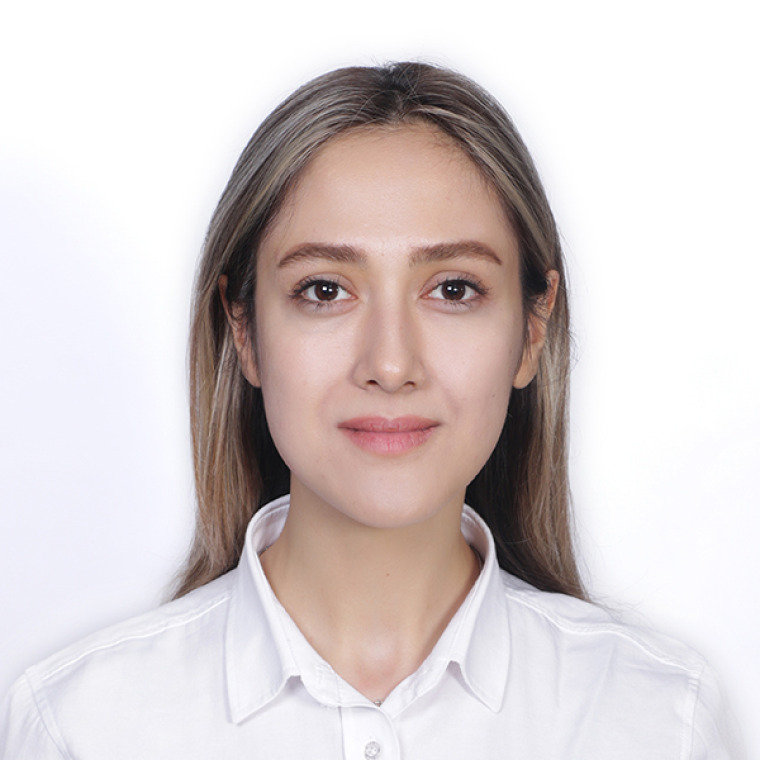
Long before I knew what digital rhetoric meant, I was writing poems on our family computer. As a teenager, I spent hours on that PC listening to music, watching movies, exploring the internet, and, most of all, writing. I wrote poems, stories, and journal entries and saved them in folders instead of keeping them on paper. As my access to the internet grew, what I read and encountered online gradually found its way into my own writing. I did not have words like digital literacy or multimodality for any of this yet. I just knew that technology had become part of how I read, wrote, and expressed myself.
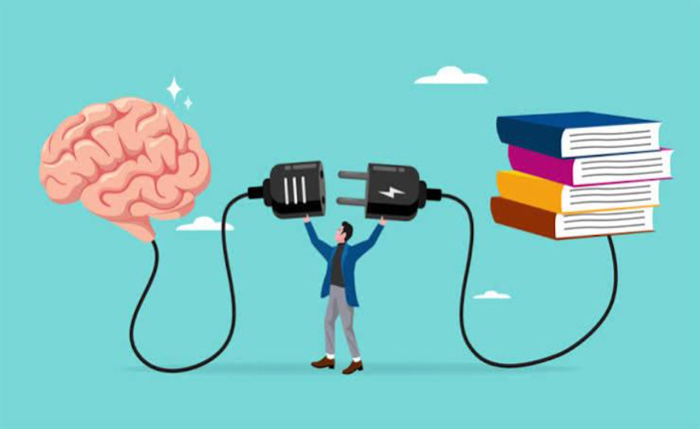
Language soon became part of that relationship, too. I studied English Language and Literature as an undergraduate and began teaching English as an additional language (EAL) when I was eighteen. Moving between Persian, my first language, and English in my roles as a reader, writer, and teacher made me curious about how language and culture shape communication. I realized that communicating across languages involved much more than finding the right words; it also meant understanding different audiences, expectations, and ways of expressing ideas. As more of our everyday communication moved into digital spaces, I became interested in how technology also shapes how we express ourselves, connect with others, and make meaning across languages and cultures. These interests led me to pursue a master’s degree in TESOL (Teaching English to Speakers of Other Languages) and eventually brought me to the United States to pursue a Ph.D. in Rhetoric, Composition, and the Teaching of English at the University of Arizona. The image below brings together three things that have always interested me: human creativity, knowledge, and technology.
During my doctoral studies, my interests in language, culture, teaching, writing, and technology, which once seemed separate, began to converge. My curiosity about linguistic and cultural differences now informs my grant-supported research on culturally responsive feedback, particularly for multilingual writers. As a writing instructor, I have always been looking for better ways to support my students, and the emergence of generative AI brought new questions into my classroom. I found myself wondering what the growing presence of AI meant for students as writers. How could they maintain their own voices and make their own choices? And how were other instructors dealing with these same questions? Much of my research now focuses on how teachers and students are navigating the increasing presence of AI in the production, consumption, and dissemination of writing and making their own decisions about whether, when, and how to use it. I have also been involved in faculty development initiatives at the University of Arizona Writing Program, where our research on instructors’ experiences with generative AI has helped us develop practical teaching strategies, workshops, and resources to help instructors navigate the challenges and opportunities AI brings to their classrooms.
When I think about how I got here, I often find myself going back to those afternoons spent writing poems on our family computer. I could not have imagined then where that interest in writing and technology would take me. So much has changed since then, but my curiosity about how people use language and technology to express themselves and connect with others has only grown. I am excited to continue exploring these questions as a Graduate Fellow with the Digital Rhetoric Collaborative.
You can reach me via email at maryamvaezi@arizona.edu or learn more about my work on LinkedIn and Google Scholar.