
Close Menu
    Facebook X (Twitter) Instagram
    Recent Posts
    • Multimodal Approaches to Faculty Development Spaces
    • Teaching Access: Multimodal Pedagogy as Social Justice in Technical Communication
    • Sonic Digital Humanities as Human-Centered Praxis
    • Intro to Part II:  Blog Carnival 24: Multimodality, Social Justice, and Human-Centered Praxis
    • CCCC 2026 Session Review: EA.5 Navigating Algorithmic Literacy Practices among Digital Feminists and Activists in the Global South
    • CCCC 2026 Session Review: CA.3 Developing AI Literacy in Composition Courses
    • CCCC 2026 Session Review: D.6 Food Studies in Rhetoric and Writing: Taking Stock of Our Next Steps
    • Starting with Voice: How Language Awareness Shapes Multimodal Composing
    RSS Facebook X (Twitter) Instagram
    Digital Rhetoric Collaborative
    • Home
    • Conversations
      • Blog Carnivals
      • DRC Talk Series
      • Hack & Yack
      • DRC Wiki
    • Reviews
      • CCCC Reviews
        • 2026 CCCC Reviews
        • 2023 CCCC Reviews
        • 2022 CCCC Reviews
        • 2021 CCCC Reviews
        • 2019 CCCC Reviews
      • C&W Reviews
        • 2025 C&W Reviews
        • 2022 C&W Reviews
        • 2019 C&W Reviews
        • 2018 C&W Reviews
        • 2017 C&W Reviews
        • 2016 C&W Reviews
        • 2015 C&W Reviews
        • 2014 C&W Reviews
        • 2013 C&W Reviews
        • 2012 C&W Reviews
      • MLA Reviews
        • 2019 MLA Reviews
        • 2014 MLA Reviews
        • 2013 MLA Reviews
      • Other Reviews
        • 2018 Watson Reviews
        • 2017 Feminisms & Rhetorics
        • 2017 GPACW
        • 2016 Watson Reviews
        • 2015 IDRS Reviews
      • Webtext of the Month
    • Teaching Materials
      • Syllabus Repository
      • Teaching & Learning Materials (TLM) Collection
    • Books
      • On Visual Rhetoric
      • Memetic Rhetorics
      • Beyond the Makerspace
      • Video Scholarship and Screen Composing
      • 100 Years of New Media Pedagogy
      • Writing Workflows
      • Rhetorical Code Studies
      • Developing Writers in Higher Education
      • Sites of Translation
      • Rhizcomics
      • Making Space
      • Digital Samaritans
      • DRC Book Prize
      • Submit a Book Proposal
    • DRC Fellow Projects
    • About
      • Advisory Board
      • Graduate Fellows
      • DRC Fellows Application
    Digital Rhetoric Collaborative

    Intro to Part II:  Blog Carnival 24: Multimodality, Social Justice, and Human-Centered Praxis

    0
    By Thais Rodrigues Cons, Ali Alalem on April 27, 2026 Blog Carnival 24, Blog Carnivals

    Welcome to Part II of Blog Carnival 24: Multimodality, Social Justice, and Human-Centered Praxis. As we continue to amplify the amazing justice-oriented work instructors and practitioners are doing across our field, this second group of posts broadens our scope. While authors continue to explore innovative approaches in First-Year Composition, Part II expands into Technical and Professional Communication (TPC), digital rhetoric, content creation, and diverse Writing Program Administration roles, including Writing Center and training faculty across the disciplines.

    The nine posts featured here demonstrate how multimodality acts as a powerful intervention not just in our assignments, but in the ways we train faculty across the curriculum, operate our writing centers, and navigate our disciplines. Together, these pieces offer models for embodying social justice in our everyday pedagogical and administrative work.

    Part II includes nine blog posts that incorporate multimodal frameworks and praxis:

    • to document lived experiences and spatial narratives across the U.S.–Mexico border through the human-centered praxis of sonic digital humanities (José Manuel Flores Fuentes and Elizabeth Escobedo);
    • to treat accessibility as a foundational social justice responsibility, ensuring that design is never an afterthought in the Technical and Professional Communication classroom (Shuvro Das);
    • to reframe multimodality in faculty development spaces as a lens to examine disciplinary power and legitimacy (Rebecca Taylor);
    • to navigate the complexities of writing center administration and staff training through an intersectional and human-centered design praxis (Kamila Albert);
    • to resist the standardization of academic voices by empowering students to negotiate digital tools rooted in their own cultural contexts (Toluwani Odedeyi);
    • to destigmatize reader experiences by validating multimodal reading as an inclusive but rigorous academic practice (Brady Hall);
    • to encourage student agency and challenge oppressive academic structures by offering creative permission and multimodal choice in the classroom; (Molly Ryan);
    • to scaffold equitable group collaboration and surface invisible labor using cultural narrative tropes, like the “5-Man Band” (Kathryn Burt);
    • to build empathy, confidence, and community around mental health advocacy by translating digital content creation into academic rhetorical spaces (Samia Mehbub).

    Thank you for reading, and we hope these pieces continue to encourage collective action in your own teaching and administrative spaces!
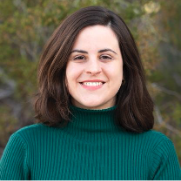
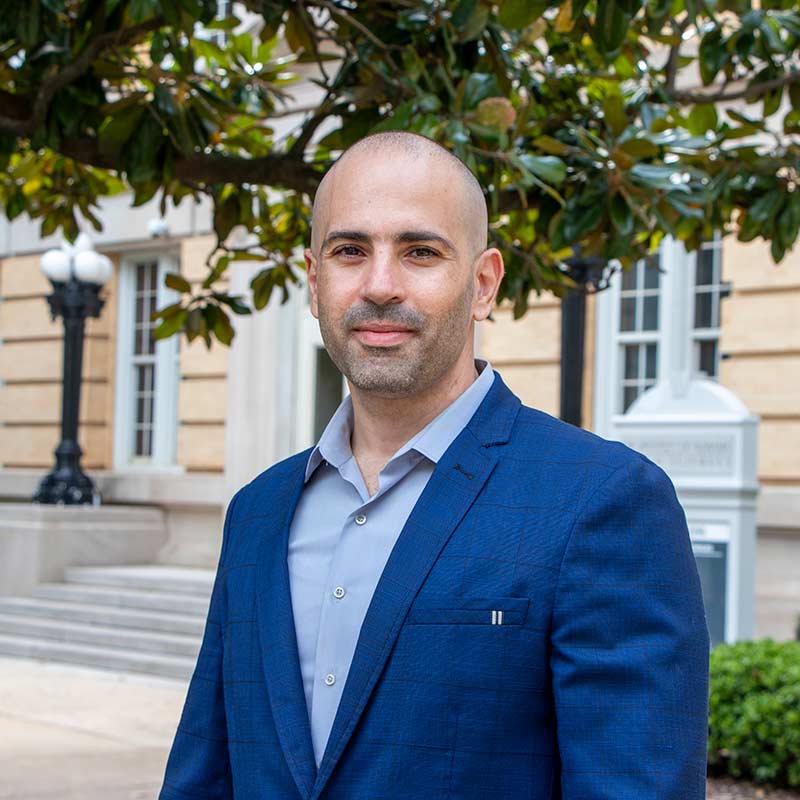
    Authors

    • Thais Rodrigues Cons

      Thais Rodrigues Cons is a PhD student in Rhetoric & Composition at the University of Arizona, where she currently works as a Writing Across the Curriculum graduate associate. Her research interests include Technical and Professional Writing, Critical Digital Literacies, Multilingual Writing & Identity, and Writing Centers.

      View all posts
    • Ali Alalem

      Ali Alalem is a PhD Candidate in Composition and Rhetoric at The University of Alabama. His research explores multimodal composition as a transformative pedagogy.

      View all posts
    Leave A Reply Cancel Reply

    Recent Posts
    By Rebecca TaylorApril 30, 20260

    Multimodal Approaches to Faculty Development Spaces

    By Shuvro DasApril 29, 20260

    Teaching Access: Multimodal Pedagogy as Social Justice in Technical Communication

    By José Manuel Flores and Elizabeth EscobedoApril 28, 20260

    Sonic Digital Humanities as Human-Centered Praxis

    By Thais Rodrigues Cons and Ali AlalemApril 27, 20260

    Intro to Part II:  Blog Carnival 24: Multimodality, Social Justice, and Human-Centered Praxis

    By Nicole K. GoldenApril 12, 20260

    CCCC 2026 Session Review: EA.5 Navigating Algorithmic Literacy Practices among Digital Feminists and Activists in the Global South

    Digital Rhetoric Collaborative | Gayle Morris Sweetland Center for Writing | University of Michigan

    Type above and press Enter to search. Press Esc to cancel.